
In the 1980s, a “mobile phone” was a 2-kg brick with a giant antenna. You carried it in a bag, and making a call felt like an event: you pulled out the handset, extended the antenna, and actually dialed a number on a physical keypad. The word “dial” still made literal sense.
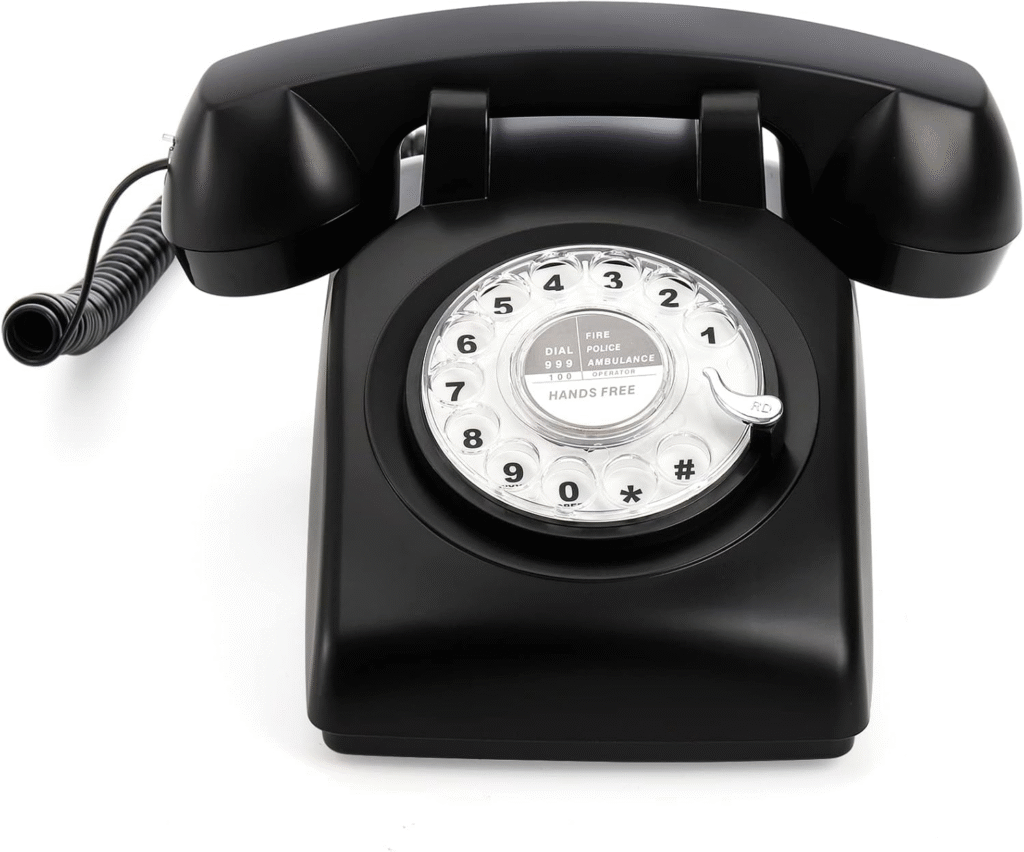
By the late 1990s and early 2000s, we had Nokia candy-bar phones and Motorola flip phones. Still bulky by today’s standards, but pocketable. You flipped it open, pressed actual buttons, and dialed. While the dial was not there, the intention was the same.
Then came the iPhone in 2007. The keypad disappeared. Android followed suit. We still “dialed” for a few years, while tapping the numbers on the screen.
Fast forward to 2025: I haven’t opened a dialer app in months and have not used the classic phones – even though I have a landline phone (with buttons) at home. The dialer apps are now replaced by voice-activated calling.
We no longer dial people — we simply reach them. A quick voice note on WhatsApp, a message in a Facebook inbox, or a short WhatsApp text gets the job done. Even emails have largely shifted to formal, professional use.
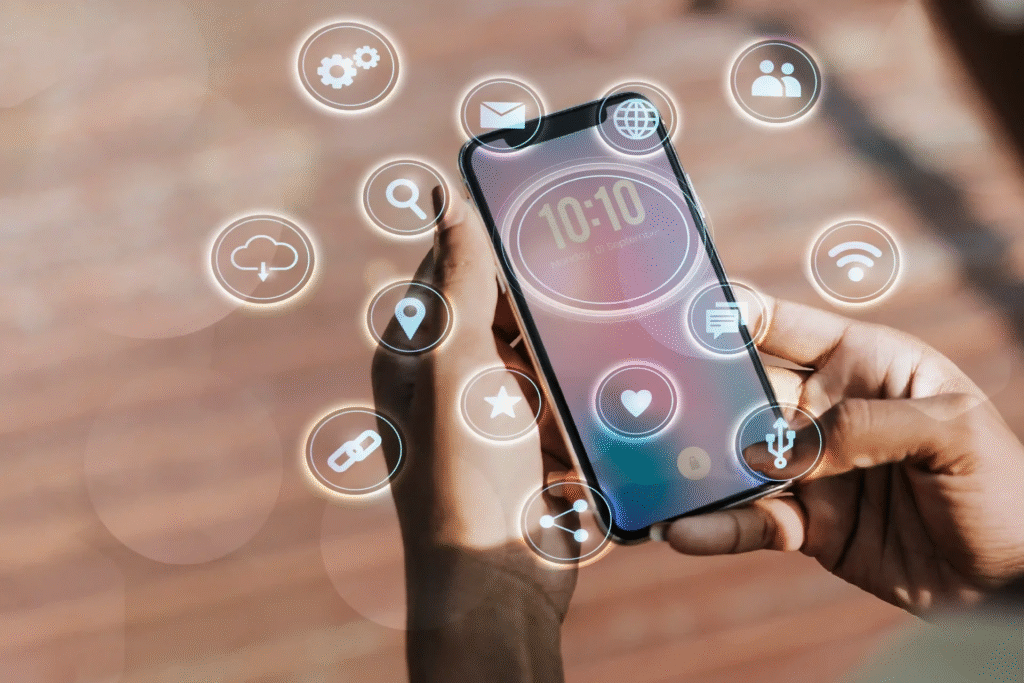

The telephone has come a long way—from a cumbersome device that needed manual effort to connect people, to a smart, portable tool that now drives our communication and entertainment.
It’s a gentle reminder of how fast the tools we build reshape not just behavior, but language itself.
Funny how the biggest revolutions sometimes happen so quietly that we unconsciously adapt to the change without any resistance.