I still remember the moment I first came across the term International Relations. At the time, it sounded like one of those heavy academic labels, something distant, abstract, and reserved for scholars buried in books. I didn’t yet realize that it was, in many ways, a way of understanding the world I was already living in.
My curiosity deepened when I began reading about the World War I. It wasn’t just a war — it was a turning point. Countries across continents were pulled into alliances, choosing sides between the Allied and Central Powers. What struck me wasn’t only the scale of destruction, but the question that followed: why did nations behave the way they did?
Apparently, I wasn’t alone in asking that question. By the late 1920s, universities, especially in the United States and the United Kingdom, had begun formalizing these questions into a field of study. That’s how International Relations, or IR, slowly took shape. It emerged from a need to make sense of chaos.
At first, the focus seemed straightforward: understanding war. Scholars looked at economic pressures, trade disruptions, political ambitions, and diplomatic failures. But the more I read, the more I realized that IR was never meant to stay simple.
Everything changed after the World War II.
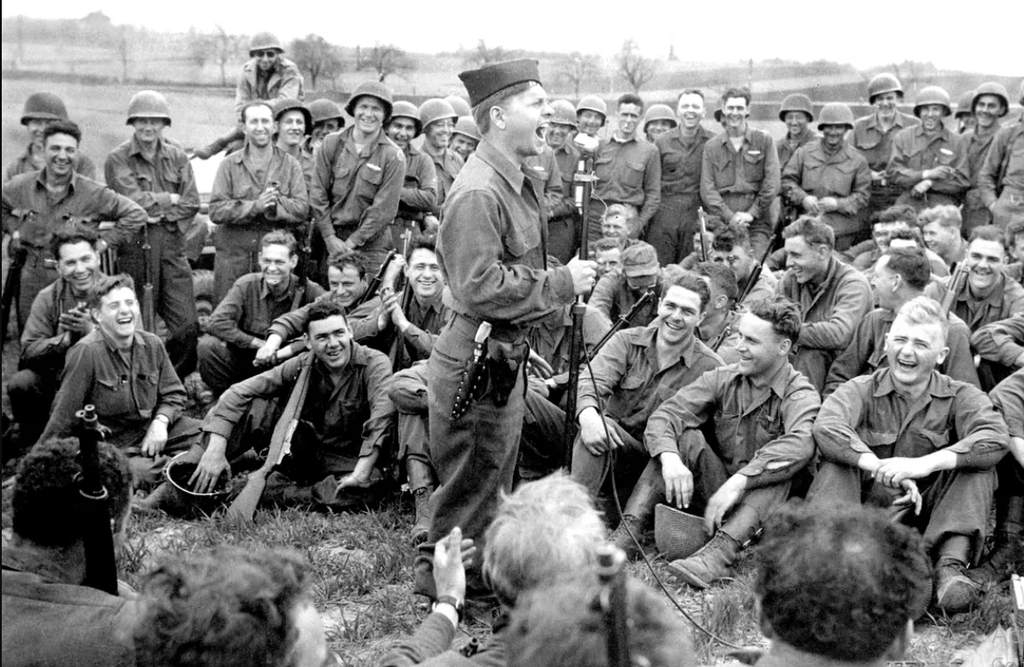
The global balance of power shifted dramatically. Europe, once the center of influence, no longer held the same authority. Instead, two new superpowers, the United States and the Soviet Union, began shaping the world order. This wasn’t just a political shift; it transformed how International Relations itself was studied.
I started to see international relations not as a static subject, but as something alive, constantly evolving alongside the world.
What fascinated me most was how interdisciplinary it became. It wasn’t just about politics anymore. It blended law, economics, sociology, and even culture. One moment you’re studying diplomacy, the next you’re exploring globalization, human rights, or nuclear security. It felt less like a subject and more like a lens — one that lets you examine everything from trade wars to social movements.
And then came the theories.
At first, names like Realism, Liberalism, and Constructivism felt intimidating. But over time, they started to make sense. They weren’t just theories: they were different ways of seeing the same reality. Realism taught me to look at power. Liberalism highlighted cooperation. Constructivism made me question how ideas and identities shape global behavior. Suddenly, global events didn’t feel random anymore, they felt interpretable.
That shift in perspective was powerful.
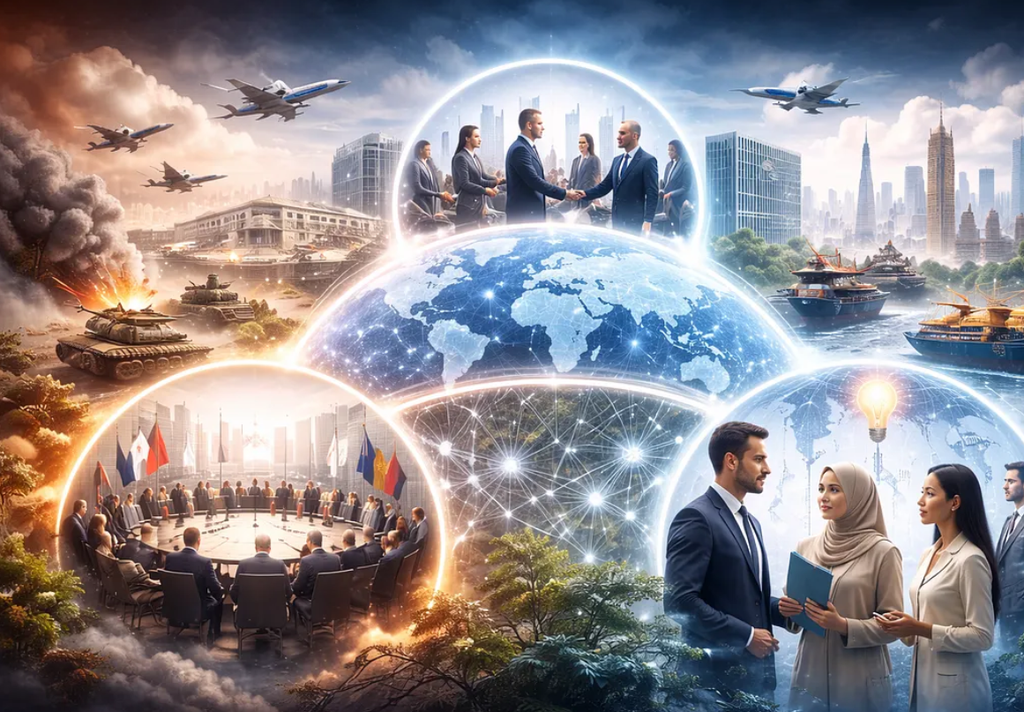
What surprised me even more was how personal the subject became. Studying International Relations wasn’t just about understanding countries: it was about understanding people. It opened up questions about identity, culture, and how societies interact with one another. It made me more aware of perspectives beyond my own.
I began to see why students are drawn to IR. It invites debate. It challenges assumptions. It forces you to engage with uncomfortable, complex realitie, whether it’s inequality between nations or conflicts that don’t have easy solutions.
And then there’s the practical side.
The more I explored, the clearer it became that IR isn’t just theoretical. It leads somewhere. Careers in diplomacy, policymaking, global organizations like the United Nations, or even academia all stem from this field. But there’s a catch. Studying IR alone isn’t enough. Real understanding comes from experience, from engaging with the world beyond the classroom.
If anything, that’s the biggest lesson I’ve taken from this journey. International Relations isn’t just about studying the world, it’s about preparing to participate in it.
And maybe that’s what makes it so compelling. It started as an attempt to explain war, but today, it’s a way to navigate an increasingly complex and unpredictable global landscape. And in a world that’s constantly changing, that kind of understanding doesn’t just feel useful, it feels necessary.
Muhammad Omar Iftikhar is an author, columnist, and fiction writer with over 22 years of writing experience. He has published over 1,100 articles in Pakistan’s print media and is the author of four books. His debut novel, Divided Species (2020), is a science fiction story set in Karachi. His other books include 20 Steps to Writing Articles (2022), Recreate Your Tomorrow! (2023), and Player AI (2024). He has been a public speaker for over a decade, conducting more than thirty sessions for various brands and organizations.